Cultural Tapestry of Farewell: Social Fabrics and Cultural Customaries in India
Wiki Article
Throughout the rich cultural regions of India, traditions associated with honoring an individual's passing reflect a deep commitment to social solidarity. In every corner of the subcontinent, these honorable ceremonial observances demonstrate unmatched grace, historical roots, and mutual support. Moving beyond individual grief, these customs serve as a vital cultural bridge, fostering hospitality, deepening community ties, and upholding generational respect. The quiet period immediately after a farewell are spent in thoughtful, dignified preparation. Family members gather to perform traditional preparation rituals passed down through untold generations. The individual is adorned in clean, elegant garments tailored to regional heritage and personal status. In many traditions, classic white attire is selected, symbolizing quiet peace, dignity, and cultural simplicity. Within specific regional groups, festive cultural cloths are used to mark a life full of accomplishment and honor. Fragrant floral arrangements play an irreplaceable role within these home observances. Vibrant arrangements of native blossoms are carefully arranged around the individual. These floral decorations are far more than aesthetic adornments; they highlight the continuous beauty of life and family devotion. The gentle application of aromatic sandalwood paste, natural rosewater, and traditional herbal essences further highlights the aesthetic elegance and loving care embedded within the home-based preparations. One of the most visually striking and culturally significant aspects of these traditional farewells is the ceremonial procession from the household to the local ceremonial grounds. Known across various regions as a procession of honor, this communal journey turns family sorrow into a dignified public tribute. Neighbors, extended relatives, and acquaintances gather outside the domestic residence, dressed in modest, unadorned traditional white clothing showing total unity, equality, and shared respect. The loved one rests upon a traditional litter crafted from sturdy local bamboo, decorated with fresh foliage and bright flowers. While the gatherers walk along the neighborhood paths, participants share the responsibility of bearing the weight. Sharing this physical task stands as a powerful symbol of communal respect, symbolizing that no family carries the weight of a farewell alone. Across numerous localities, the gentle chiming of bells and melodic flutes enhances the journey, offering a graceful auditory backdrop that honors the individual's legacy within the public sphere. Rich regional contrasts show up distinctly in the local variations that mark each district's traditional customs. Even as mutual respect and community participation stay identical throughout, the outward ceremonial forms adapt uniquely according to regional heritage and local ancestry. Following the primary ceremonial rites, family life shifts into a structured phase of quiet reflection, generally spanning ten to thirteen days. In this dedicated period, the domestic residence serves as a welcoming venue for guests arriving from nearby and far-off locations who drop in to share comfort and honor the family. Serving visitors during these days is a cherished cultural duty. Wholesome vegetarian dishes are cooked continuously to feed visiting neighbors, family, and travelers. This tradition of sharing meals fosters deep emotional connection, provides an opportunity to recount cherished personal stories, while guaranteeing that the family receives active help and daily supplies from neighbors. The closing of the formal hosting phase features a generous community gathering. Senior relatives recount the person's life history, good deeds, and values, passing down valuable life lessons to youth. Selfless acts of service—such as donating clothing to community members, distributing food to those in need, or supporting local educational initiatives—are organized as a meaningful tribute, strengthening societal support systems and charitable values.
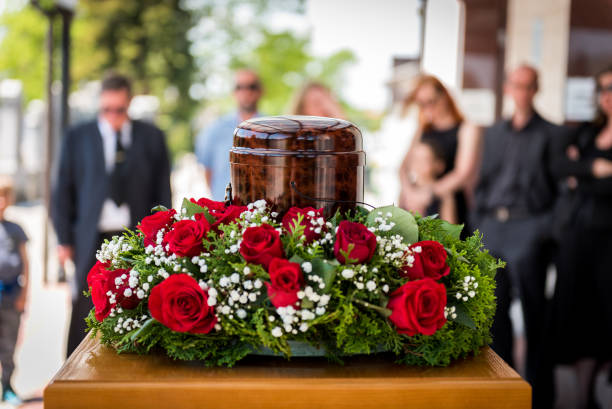
Wilson Garden Electric Crematorium Traditional communities in India meet this final transition with warm hospitality and deep cultural devotion. From the vibrant rural villages to the bustling urban centers, the active participation of the surrounding community underpins every step of the cultural farewell. This social tradition provides a supportive atmosphere where loved ones share comfort, honor lived memories, and preserve personal accomplishments.
Loving Preparation and Aesthetic Elegance
The Solemn Procession: A Walk of Shared Respect
Element
Material Used
Cultural Significance
Attire
Traditional White Attire
Symbolizes social equality, peace, and community unity.
Palanquin Frame
Handcrafted Local Bamboo
Demonstrates local craft and eco-friendly design.
Wreaths
Marigolds and Jasmine
Represents honor, aesthetic beauty, and respect.
Natural Essences
Cooling Sandalwood and Rose Essence
Provides sensory elegance and traditional purification.
Subcontinental Diversity in Farewell Customs
Kallahalli Crematorium Whether the final resting customs involve traditional earthen burials or ceremonial fire arrangements, the focus remains steadfastly on the cultural heritage of offering the individual back to nature's elements in a manner that honors the land and traditional environmental philosophy.
Hospitality, Remembrance, and Social Continuity
Conclusion: An Enduring Legacy of Respect
Hindu Crematorium Ground Hyderabad These subcontinental customs demonstrate a beautiful example in community togetherness, textile art, and social respect. By handling personal farewells with public grace and communal support, these customs prove the enduring value of shared hospitality and tradition. Through beautiful floral arrangements, white-clad processions, regional artistry, and generous hospitality, this heritage celebrates the completed life of every member while fortifying the enduring bonds of the community for generations to come.